
Neurofeedback & Biofeedback in Orange County
Non-invasive brain and body training led by Dr. Michael Linden, a licensed psychologist with more than 40 years of experience in biofeedback and neurofeedback.
Neurofeedback and biofeedback use small sensors and real-time feedback to help you learn to regulate your brain and body, a skill that can support attention, calm and recovery. At Orange County Health Psychologists, neurofeedback therapy in Orange County is led by Dr. Michael Linden, Ph.D., a licensed psychologist and nationally certified senior fellow in biofeedback and neurofeedback who has worked in ADHD, autism, anxiety and concussion care since 1982. This guide explains how neurofeedback works, how it differs from biofeedback, what QEEG brain mapping is, what the research supports and what a course of training looks like.
What is the difference between biofeedback and neurofeedback?
Biofeedback is the broad category. According to Cleveland Clinic, it uses noninvasive sensors to show you what your body is doing, such as heart rate, breathing or muscle tension, so you can learn to change it. Neurofeedback is one type of biofeedback that focuses on brain activity, measured through sensors on the scalp.
| Type | What the sensors measure | Often used for |
|---|---|---|
| Neurofeedback (EEG biofeedback) | Brainwave activity | Attention, ADHD, anxiety, sleep, concussion recovery |
| Heart rate variability biofeedback | Heart rate and its rhythm | Stress, anxiety, emotional regulation |
| Breathing biofeedback | Breathing rate and pattern | Panic, stress, relaxation |
| EMG biofeedback | Muscle tension | Tension headaches, chronic pain |
| Thermal biofeedback | Skin temperature | Migraine, Raynaud's, stress |
At OCHP, biofeedback can also be part of virtual reality therapy, which pairs guided VR environments with biofeedback, CBT and relaxation training.
How does neurofeedback work?
A helpful way to think about neurofeedback is training at a gym, with your clinician as the coach. Painless sensors placed on your scalp read brainwave activity. You watch a screen or listen to sounds that respond to your brain in real time. When your brain moves toward the pattern you're training, the feedback rewards it: a video plays more clearly, a game moves forward or a tone sounds. Over repeated sessions, your brain learns to produce those patterns more easily on its own.
The sensors only read activity. Nothing is sent into the brain, and you don't need to do anything except pay attention to the feedback.
What is QEEG brain mapping?
Many neurofeedback courses begin with a quantitative EEG (QEEG), often called a brain map. A QEEG records brainwave activity from many points on the scalp and compares it with databases of people of the same age. The results show which areas and frequencies differ from typical patterns, which helps your clinician decide what to train.
One example is the ratio between slower theta waves and faster beta waves. Research Dr. Linden helped pioneer found that many people with ADHD show more slow-wave activity relative to fast-wave activity, and in 2013 the FDA authorized an EEG-based tool that uses this theta/beta ratio to help clinicians assess ADHD in ages 6–17. Dr. Linden's current work focuses on QEEG-guided neurofeedback, where the brain map shapes each person's training plan.
What can neurofeedback and biofeedback help with?
Cleveland Clinic lists anxiety, depression, PTSD, ADHD, chronic pain, insomnia, migraine and tension headaches among the conditions biofeedback may help, and notes that it is usually combined with other treatment rather than used alone.
At Orange County Health Psychologists, Dr. Linden also uses neurofeedback for concussion and post-concussion recovery, executive function and learning difficulties, and sports performance. It is used most often for:
ADHD and attention
Neurofeedback for ADHD starts with a clear diagnosis. An ADHD evaluation at our Irvine office confirms what's behind attention problems before brain training begins.
Read moreAutism: evaluation first
Neurofeedback can support attention and self-regulation for autistic children and adults. It works best after an autism evaluation, which our Irvine office provides as part of psychological testing.
Read moreChronic pain and headaches
Biofeedback for muscle tension, migraine and tension headaches, alongside pain psychology.
Read moreIs neurofeedback FDA approved?
The FDA regulates biofeedback devices, including those that read brainwave activity, as Class II medical devices intended for relaxation training and muscle reeducation (21 CFR 882.5050). A separate EEG-based tool was authorized in 2013 to help assess ADHD. Neurofeedback is non-invasive, and when it's provided by a licensed, certified clinician, it is generally well tolerated.
Certification is worth asking about. The Biofeedback Certification International Alliance (BCIA) has certified practitioners since 1981, with separate credentials for biofeedback and neurofeedback. Dr. Linden holds BCIA's senior fellow designation in both.
What does a neurofeedback course look like?
- Consultation. You discuss your goals, history, current treatment and any previous testing.
- Assessment and brain map. Dr. Linden reviews symptoms and, when helpful, records a QEEG to build a personalized training plan.
- Training sessions. You come in for regular sessions, watching or listening to feedback while sensors read your brain activity.
- Progress reviews. Symptoms are tracked over time and the training plan is adjusted as you improve.
Neurofeedback works through repetition, so it always takes a series of sessions. The number depends on your goals and how you respond, and Dr. Linden will recommend a plan after the assessment.
How much does neurofeedback cost?
Neurofeedback costs depend on whether you need a QEEG brain map and how many training sessions your plan includes. Insurance coverage for biofeedback and neurofeedback varies by plan, so our team will explain current fees and help you check your benefits before you begin. See our Insurance & Fees page.
Neurofeedback with Dr. Michael Linden
Dr. Michael Linden, Ph.D. (CA license PSY11788) has helped children, teens, adults, couples and families for more than 40 years and has been a leader in ADHD, autism, anxiety and concussion assessment and treatment since 1982. He founded Attention Learning Centers in Orange County, earned his Ph.D. in clinical psychology from the California School of Professional Psychology in San Diego, and completed postdoctoral training in neuropsychology and child development at UC Irvine. He also works with athletes from youth sports to the Olympic level.
Neurofeedback clinician
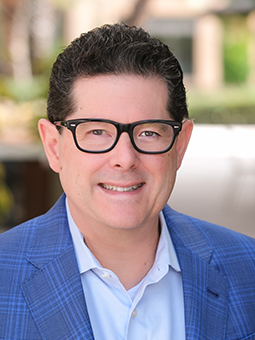
Dr. Michael Linden, Ph.D.
Licensed Psychologist, Nationally Certified Senior Fellow in Biofeedback & Neurofeedback
ADHD, autism, anxiety, concussion recovery, QEEG brain mapping, sports performance
View profilePatient essentials
Phone
949-528-6300
info@ochealthpsych.com
Hours
Weekdays 9am–5pm · Weekends 9am–1pm
How to start
Call, email or schedule online; consultation; assessment and brain map; training sessions
Who
Children, teens and adults
Where
In person in Orange County; not offered in San Francisco
Payment
Card, check, cash
In a crisis
We are not an emergency service. Call or text 988, or call 911
Frequently asked questions
What is neurofeedback?
Neurofeedback is a type of biofeedback that uses sensors on the scalp to read brainwave activity and give you real-time feedback, such as a video that plays more clearly when your brain moves toward a healthier pattern. Over repeated sessions, the brain learns to produce those patterns more easily.
Does neurofeedback work for ADHD?
Neurofeedback is used for ADHD and attention problems, usually alongside other treatment such as therapy, parent support or medication. Results vary from person to person. At Orange County Health Psychologists, a licensed psychologist assesses whether neurofeedback fits your goals before training begins.
What is a QEEG brain map?
A QEEG, or quantitative EEG, records brainwave activity from many points on the scalp and compares it with age-matched data. It shows which patterns differ from typical and helps guide a personalized neurofeedback plan.
Is neurofeedback safe?
Neurofeedback is non-invasive: the sensors only read activity and don't send electricity into the brain. Some people feel tired after early sessions. Your clinician monitors how you respond and adjusts training as needed.
What's the difference between neurofeedback and biofeedback?
Biofeedback is the broad category that trains body functions such as heart rate, breathing, muscle tension and skin temperature. Neurofeedback is a type of biofeedback that focuses specifically on brainwave activity.
How many neurofeedback sessions do you need?
The number varies by person and goal, and a series of sessions is always needed because the brain learns through repetition. Your clinician will recommend a plan after an assessment and review progress with you regularly.
Can children do neurofeedback?
Yes. Dr. Michael Linden works with children, teens and adults. For children, feedback is often delivered through videos or games, which makes sessions engaging.
Start with a consultation
If you're curious whether brain training could help with attention, anxiety, recovery or performance, a consultation is a simple place to start. Our team will explain the assessment, fees and what a course looks like. Call 949-528-6300 or schedule a consultation to begin neurofeedback therapy in Orange County with Orange County Health Psychologists.
Sources
- Cleveland Clinic – Biofeedback
- 21 CFR 882.5050 – Biofeedback device
- FDA De Novo DEN110019 (NEBA, 2013)
- BCIA – What is certification
- OCHP Services page and Dr. Linden's provider profile
Clinically reviewed by [Name, credential, CA license #] · Last reviewed [date]. This page is for general information and is not a substitute for professional diagnosis or treatment. If you are in crisis, call or text 988.

