
Eating Disorder Therapy in Orange County
Outpatient therapy for eating disorders and disordered eating with clinicians who coordinate with your doctor and dietitian, in Orange County and online in California.
Eating disorders are serious illnesses, not choices or phases, and recovery is possible. They can affect anyone, at any age, size or gender. Orange County Health Psychologists has an eating disorder therapist in Orange County for teens and adults dealing with anorexia, bulimia, binge eating and body image concerns. Because we're a health-psychology practice, we're used to working closely with your physician and dietitian, so your mind and body are cared for together.
Types of eating disorders
| Type | What it can look like |
|---|---|
| Anorexia nervosa | Restricting food, intense fear of gaining weight, seeing your body as larger than it is |
| Bulimia nervosa | Cycles of binge eating followed by vomiting, laxatives, fasting or over-exercise |
| Binge eating disorder | Repeated episodes of eating a large amount while feeling out of control, followed by distress or shame, without purging |
| ARFID | Avoiding many foods because of texture, fear of choking or low interest in eating, not because of body image |
| Other specified eating disorders | Serious eating problems that don't fit one category neatly |
Eating disorders often occur with anxiety, depression, OCD or substance use. The National Institute of Mental Health notes that they can cause serious medical problems and can be life-threatening, which is why early help matters.
Warning signs
These are signs worth discussing with a professional, not a diagnosis:
- Constant thinking about food, weight, calories or body shape
- Skipping meals, strict rules about food or cutting out whole food groups
- Eating in secret, or hiding food or wrappers
- Going to the bathroom right after meals
- Exercising even when sick or injured
- Noticeable weight changes, dizziness, fainting or missed periods
- Withdrawing from meals with friends or family

How is an eating disorder treated?
Treatment usually involves a team: a therapist, a physician who checks your physical health and often a registered dietitian. At OCHP, your therapist works with that team with your written permission.
| Approach | What it involves |
|---|---|
| CBT for eating disorders | Regular eating patterns, tracking triggers, and challenging rigid rules and thoughts about food, weight and shape |
| Exposure and response prevention (ERP) | Gradually facing feared foods or situations without compensating, building confidence |
| DBT skills | Managing intense emotions without turning to bingeing, purging or restricting |
| ACT | Making peace with difficult thoughts about your body and acting on what matters to you |
What level of care do you need?
OCHP provides outpatient therapy, usually weekly sessions. Some people need more support, especially if they are medically unstable. Your therapist and doctor will help you decide.
| Level of care | Who it's for |
|---|---|
| Outpatient therapy (OCHP) | Medically stable, able to follow a meal plan with weekly support |
| Intensive outpatient (IOP) | Needs several hours of treatment a few days a week |
| Partial hospitalization (PHP) | Needs structured treatment most of the day, but sleeps at home |
| Residential or inpatient | Medically unstable, or unable to stop dangerous behaviors with less support |
If you step down from a higher level of care, outpatient therapy at OCHP can help you keep your progress.

Eating disorders alongside diabetes or digestive conditions
When food is also part of managing a medical condition, an eating disorder can be harder to spot and riskier.
- Type 1 diabetes: some people skip or reduce insulin to control weight, sometimes called "diabulimia." Studies estimate that 30–40% of young women with type 1 diabetes have restricted insulin, which raises the risk of serious complications (Diabetes Care, 2015).
- Digestive conditions: when eating causes pain or symptoms, as with IBS, avoiding more and more foods can slide into a restrictive pattern.
Because OCHP is a health-psychology practice, our clinicians are used to working alongside endocrinologists, gastroenterologists and dietitians. Learn more about our psycho-endocrinology and gastro-psychology specialties.
Eating disorder therapists at OCHP

Kristina Nunez, PsyD
Clinical Psychologist, CA PSY34368
Specialized training in mild to severe eating disorders, using CBT and exposure and response prevention, for teens, college students and adults
View profile
Lisa McCurry, LMFT
Licensed Marriage & Family Therapist, CA LMFT122272
Eating disorders and disordered eating for ages 16+, with residential, PHP and IOP experience; in person and telehealth
View profile
Marinda Kurpius-Brock, M.Ed, LPCC
Licensed Professional Clinical Counselor, CA LPCC13120
Binge eating, with specialized training in CBT for eating disorders
View profile
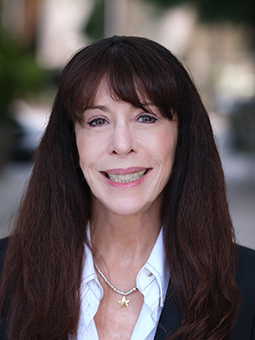
Martine Benatar, LMFT
Licensed Marriage & Family Therapist, CA LMFT39564, Huntington Beach
Disordered eating, anxiety and medical trauma for children, teens and adults
View profile[CONFIRM: offices for Nunez, McCurry and Kurpius-Brock; telehealth for Nunez, Kurpius-Brock and Benatar.]
You can also see a therapist by online therapy when you're in California.
Read more
[CONFIRM: URLs of the two existing eating and body-image posts to link here as cards.]
Patient essentials
Level of care
Outpatient therapy, coordinated with your physician and dietitian
Offices
Huntington Beach · [CONFIRM: offices for Nunez, McCurry, Kurpius-Brock] · online in California
Phone
949-528-6300
info@ochealthpsych.com
Insurance
Most providers in network with Aetna, Hoag, Kaiser, Medicare and Optum/UHC; claims submitted for other PPO plans
Support line
In a crisis
We are not an emergency service. Call or text 988, or call 911
Frequently asked questions
What does an eating disorder therapist do?
They help you understand what keeps the eating disorder going and teach skills to change it, using approaches such as CBT for eating disorders and exposure work. They also coordinate with your doctor and dietitian, who monitor your physical health and nutrition.
Do you treat binge eating disorder?
Yes. Orange County Health Psychologists treats binge eating disorder in outpatient therapy, including CBT for eating disorders.
Do I need a dietitian too?
Often, yes. A registered dietitian helps with meal planning and nutrition, while your therapist works on the thoughts, emotions and behaviors. Your OCHP therapist can coordinate with yours.
When is outpatient therapy not enough?
If you are medically unstable, losing weight quickly, fainting, or can't stop bingeing, purging or restricting with weekly support, a higher level of care such as IOP, PHP or residential treatment may be needed. Your therapist and doctor will help you decide.
Do you see teens with eating disorders?
Yes. Some OCHP clinicians work with teens, and minimum ages vary by clinician (for example, 16+). Call our team and we'll match you with the right person.
Does insurance cover eating disorder therapy?
Most OCHP providers are in network with Aetna, Hoag, Kaiser, Medicare and Optum/UHC, and we submit claims for other PPO plans. Call 949-528-6300 to check your benefits.
Recovery is possible
Reaching out takes courage. Call 949-528-6300 or schedule a consultation to talk with an eating disorder therapist in Orange County at Orange County Health Psychologists.
Sources
- NIMH – Eating disorders
- National Alliance for Eating Disorders
- Momentary predictors of insulin restriction among adults with type 1 diabetes and eating disorder symptomatology, Diabetes Care, 2015
- OCHP Specialties page (Eating Disorders), live "See Providers" tag and provider profiles
Clinically reviewed by [Name, credential, CA license #] · Last reviewed [date]. This page is for general information and is not a substitute for professional diagnosis or treatment. If you are in crisis, call or text 988.

