
Chronic Pain & Chronic Illness Therapy in Orange County
Pain psychology and therapy for people living with chronic pain or illness, working alongside your physicians, in person or online.
Living with pain or a long-term illness affects much more than your body. It can change your sleep, mood, work, relationships and sense of who you are, and it often comes with the frustration of being told "everything looks normal" or that you'll just have to live with it. At Orange County Health Psychologists, a health psychology practice, clinicians trained in pain psychology work as a chronic pain therapist in Orange County for people with back pain, migraines, fibromyalgia, autoimmune conditions and other ongoing health problems. Therapy doesn't replace your medical care. It works alongside it, on the parts of pain and illness that medication and procedures don't reach. This guide explains why psychological treatment helps with physical pain, which approaches have the strongest evidence and what working with a pain psychologist looks like.
Why see a therapist for physical pain?
Seeing a therapist doesn't mean your pain is "in your head." Pain is real, and it's processed by the brain and nervous system, where stress, sleep, fear and mood can turn the volume up or down. When pain lasts for months, the nervous system can become more sensitive, so pain continues even after tissues have healed. The American Psychological Association describes psychologists as experts in helping people cope with the thoughts, feelings and behaviors that accompany chronic pain.
Chronic pain is also common. According to the CDC's National Center for Health Statistics, 24.3% of U.S. adults had chronic pain in 2023, meaning pain on most days or every day for three months, and 8.5% had high-impact chronic pain that limited their life or work.
Signs that pain psychology could help:
- Pain is affecting your mood, sleep or relationships
- You've cut back on activities you care about and feel stuck
- You swing between overdoing it on good days and crashing afterward
- Worry about flare-ups or the future takes up much of your day
- A new diagnosis has left you overwhelmed or grieving your old life
- You want to rely less on medication, or your doctor has suggested a psychological approach
Which therapies work for chronic pain?
| Approach | What it focuses on | Research support |
|---|---|---|
| Cognitive behavioral therapy (CBT) for pain | Pacing, coping skills, and the thoughts and habits that make pain harder to live with | Strong research support for chronic low back pain, headache and rheumatologic pain (APA Society of Clinical Psychology) |
| Acceptance and commitment therapy (ACT) | Making room for pain while acting on what matters to you | Strong research support for chronic pain (APA Society of Clinical Psychology) |
| Pain Reprocessing Therapy (PRT) | Retraining the brain to interpret pain signals as safe rather than dangerous | In a 2021 JAMA Psychiatry trial, 66% of people with chronic back pain were pain-free or nearly pain-free after PRT, compared with 20% on placebo |
| Relaxation and biofeedback | Calming the body's stress response, muscle tension and breathing | Used for headaches, chronic pain and stress |
| Health psychology support | Adjusting to diagnosis, treatment decisions and changes in role | Part of integrated care for chronic illness |
The APA notes that most people manage their pain better after just a few sessions of psychological treatment. See cognitive behavioral therapy and neurofeedback and biofeedback.
What is Pain Reprocessing Therapy?
Pain Reprocessing Therapy is a newer approach for chronic pain without an ongoing structural cause, such as many cases of back pain, neck pain and tension headaches. It teaches you to notice pain sensations with curiosity instead of fear, gather evidence that your body is safe and gradually return to movement. In the 2021 trial published in JAMA Psychiatry, participants had eight sessions over four weeks, and most kept their improvements a year later. At OCHP, Dr. Amin Salek is certified in Pain Reprocessing Therapy.

What conditions do we help people live with?
Our clinicians work with adults and teens living with chronic back, neck and joint pain, fibromyalgia and chronic fatigue, autoimmune and rheumatologic conditions such as lupus and rheumatoid arthritis, diabetes, heart disease, skin conditions that flare with stress, and other long-term illness, including adjusting to a new diagnosis. Some conditions have their own dedicated support:
Biofeedback for migraines and headaches
Biofeedback and relaxation training can ease the muscle tension and stress that often trigger headaches.
Read moreGastrointestinal conditions
IBS, IBD and other GI conditions are closely linked to stress, and GI psychology addresses both.
Read moreCancer and its treatment
Pain, fatigue and the emotional weight of treatment and survivorship.
Read moreDepression alongside pain
Low mood and chronic pain often feed each other, so treating both matters. Depression therapy alongside pain psychology helps break that cycle.
Read moreWhat does pain psychology look like in practice?
- Assessment. Your therapist learns how pain and illness affect your sleep, mood, activity and relationships, what treatments you've tried and what you want to change.
- Understanding your pain. You learn how the nervous system processes pain and why stress, sleep and fear matter, which many people find relieving in itself.
- Skills. You practice tools such as activity pacing, relaxation and breathing, sleep strategies and ways to work with thoughts like "this will never get better."
- Values-based goals. You choose activities that matter to you and rebuild them in manageable steps.
- Coordination. With your permission, your therapist communicates with your physicians so your care moves in the same direction.
Low mood and chronic pain often feed each other, so therapy may also address depression or anxiety. See depression therapy.
What pain psychology can and can't do
Pain psychology can:
- Reduce how much pain interferes with sleep, mood, work and relationships
- Lower pain intensity for many people, especially with approaches such as PRT and CBT
- Help you return to activities you've avoided
- Support you in reducing reliance on medication, in coordination with your doctor
Pain psychology can't:
- Replace medical evaluation of new or changing symptoms
- Prescribe medication or adjust your current prescriptions
- Promise that pain will disappear completely
Chronic pain therapy at Orange County Health Psychologists
OCHP was founded in 2014 with a health psychology focus: caring for the mind and body together, in partnership with physicians. Our clinicians include a board certified clinical health psychologist who worked for nearly a decade in a hospital chronic pain program, and a psychologist certified in Pain Reprocessing Therapy.
Clinicians who work with chronic pain and illness

Dr. Allison Bicksler, PsyD, ABPP
Board Certified Clinical Health Psychologist
pain psychology; Providence St. Jude Medical Center Chronic Pain Program, 2015–2024
View profile
Dr. Amin Salek, Psy.D.
Clinical Psychologist
certified in Pain Reprocessing Therapy; chronic pain and illness; English and Farsi
View profile
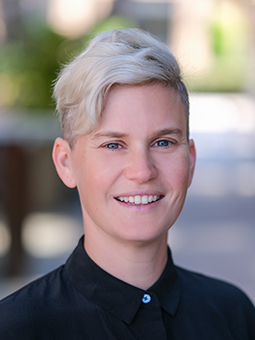
Dr. Elizabeth Ruhl, PsyD
Licensed Clinical Psychologist
health psychology, chronic illness and chronic pain for adults
View profile
Dr. Sarah Alkrisat, PsyD
Registered Psychological Associate
chronic pain, GI psychology and chronic illness
View profile
Jacqueline Ruddy, LCSW
Licensed Clinical Social Worker
chronic illness, chronic pain and skin conditions; mind-body approaches
View profile
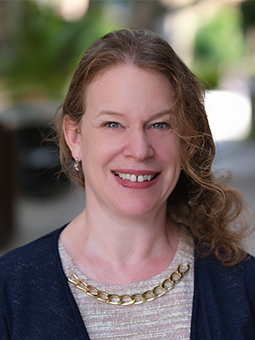
Randi Kofsky, LMFT
Licensed Marriage and Family Therapist, Huntington Beach
chronic pain; individual and couples therapy for adults
View profileEighteen OCHP clinicians list chronic pain as a specialty. See all our providers.
Where we see patients
Does insurance cover therapy for chronic pain?
Therapy for chronic pain is usually billed like other outpatient mental health care. Most of our providers are in network with Aetna, Hoag Physician Partners / Hoag Medical Group, Kaiser, Medicare and Optum/UHC, and we submit claims for other PPO plans. To estimate your out-of-pocket cost, use the cost estimator on our Insurance & Fees page or call 949-528-6300.
Patient essentials
Phone
949-528-6300
info@ochealthpsych.com
Hours
Weekdays 9am–5pm · Weekends 9am–1pm
How to start
Call, email or schedule online; our staff match you with a clinician experienced in pain psychology; intake forms; first session
Insurance
Most providers in network with Aetna, Hoag, Kaiser, Medicare and Optum/UHC; claims submitted for other PPO plans
Where
Irvine, Huntington Beach and Orange offices, or by video across California
Physicians
We coordinate with your medical team with your permission
Payment
Card, check, cash
In a crisis
We are not an emergency service. Call or text 988, or call 911
Frequently asked questions
Can a therapist help with chronic pain?
Yes. Psychological treatments such as cognitive behavioral therapy and acceptance and commitment therapy have strong research support for chronic pain, and the CDC lists them among preferred nonopioid treatments. They help you manage pain's effect on sleep, mood and activity alongside your medical care.
What does a pain psychologist do?
A pain psychologist helps people understand and cope with the thoughts, feelings and behaviors that come with chronic pain. Sessions often include education about how pain works, activity pacing, relaxation skills, working with pain-related worries and rebuilding activities that matter to you.
Does seeing a therapist mean my pain isn't real?
No. Pain is real, and it is processed through the brain and nervous system, where stress, sleep and mood can make it better or worse. Therapy works on those factors while your doctors treat the medical side.
What is Pain Reprocessing Therapy?
Pain Reprocessing Therapy teaches the brain to interpret pain signals as safe rather than dangerous. In a 2021 JAMA Psychiatry trial, 66% of people with chronic back pain were pain-free or nearly pain-free after eight sessions. Dr. Amin Salek at Orange County Health Psychologists is certified in PRT.
How many sessions of therapy for chronic pain do you need?
It varies. The American Psychological Association notes that most people manage their pain better after just a few sessions, and structured programs such as PRT often run about eight sessions. Your therapist will review progress with you regularly.
Is therapy for chronic pain covered by insurance?
Therapy for chronic pain is usually billed like other outpatient mental health care. Most Orange County Health Psychologists providers are in network with Aetna, Hoag, Kaiser, Medicare and Optum/UHC, and we submit claims for other PPO plans. Call 949-528-6300 to check your benefits.
Can I do pain therapy online?
Yes. Video sessions across California are available, and many people find them easier on flare days. You can switch between video and in-person visits at our Irvine, Huntington Beach and Orange offices.
Take back more of your life
Pain may be part of your story, but it doesn't have to decide every day. Our team will match you with a clinician experienced in pain psychology, in person or online, and check your insurance before you start. Call 949-528-6300 or schedule a consultation to work with a chronic pain therapist in Orange County at Orange County Health Psychologists.
Sources
Clinically reviewed by [Name, credential, CA license #] · Last reviewed [date]. This page is for general information and is not a substitute for professional diagnosis or treatment. If you are in crisis, call or text 988.

