
Cognitive Behavioral Therapy (CBT) in Orange County
Structured, skills-based therapy with licensed clinicians in Irvine, Huntington Beach and Orange, or online, in network with most major plans.
If you're looking for therapy that provides concrete tools as well as a place to talk, cognitive behavioral therapy is one of the most widely studied options. At Orange County Health Psychologists, our psychologists and therapists use CBT for anxiety, depression, trauma, adult ADHD and the emotional strain of chronic pain and illness. This page explains how CBT works, the techniques you'll learn, what a typical course looks like and how it compares with other therapies. It also covers how to start cognitive behavioral therapy in Orange County at our offices or online.
How does CBT work?
CBT is built on a simple principle: your thoughts, feelings and actions all influence one another. A stressful situation triggers an automatic thought. That thought shapes your emotions and body reactions, which then shape what you do next. Over time, these cycles can become patterns that sustain anxiety or low mood.
Here is an everyday Orange County example:
| Unhelpful loop | After practicing CBT | |
|---|---|---|
| Situation | Stuck in traffic on the 405, running 15 minutes late for work | Same situation |
| Automatic thought | "My manager will think I'm useless. I'm going to lose this job." | "I'm late, which is frustrating, but I've been on time for months. I'll send a quick message." |
| Feelings and body | Panic, tight chest, racing heart | Annoyed but steady |
| What you do | Skip the morning meeting, spend the day replaying it | Message your manager, join the meeting, move on |
CBT doesn't ask you to "think positive." It helps you test whether a thought is accurate and useful, and to try new actions that break the loop. Dr. Aaron T. Beck, widely recognized as the father of CBT, published his first article on cognitive therapy in 1963 (Beck Institute). The approach has been refined and studied ever since.
What techniques will you learn in CBT?
CBT is practical and active. Most sessions focus on one or two skills you can practice during the week. These are the core tools CBT therapists commonly use:
| Technique | What it is | What it looks like in practice | Often used for |
|---|---|---|---|
| Cognitive restructuring | Spotting distorted thoughts and weighing the evidence for and against them | Catching "I always mess up" and replacing it with a more balanced statement | Anxiety, depression |
| Thought records | A short written log of situation, thought, feeling and alternative thought | Filling in a worksheet after a stressful moment | Anxiety, depression, postpartum mood concerns |
| Behavioral activation | Scheduling small, meaningful activities to rebuild energy and mood | Planning a 10-minute walk or a call with a friend each day | Depression |
| Graded exposure | Facing feared situations step by step, starting small | Driving one exit on the freeway before a longer trip | Anxiety, panic, trauma |
| Problem-solving | Breaking a problem into steps and testing solutions | Listing options for a work conflict and trying one | Depression, ADHD |
| Relaxation and breathing | Skills to calm the body's stress response | Slow breathing before a difficult conversation | Anxiety, chronic pain, trauma |
| Activity pacing | Balancing activity and rest to avoid boom-and-bust cycles | Splitting yard work into 20-minute blocks | Chronic pain and chronic illness |
| Relapse-prevention plan | A written plan for early warning signs and what to do | A one-page plan you keep after therapy ends | All concerns |
Your therapist will select the techniques that fit your goals; most people use only some of them.

What happens in CBT, session by session?
Every course of CBT is tailored, but most follow a recognizable arc. Here is what a typical 12-session course can look like. Many people need fewer sessions and some need more.
| Sessions | Phase | What you do |
|---|---|---|
| 1–2 | Assessment and goals | Discuss current concerns, agree on two or three specific goals, learn how CBT works |
| 3–6 | Learning the model | Track thoughts and reactions, start core skills such as thought records or behavioral activation |
| 7–10 | Applying skills | Use the skills on harder situations; exposure steps if anxiety is a focus |
| 11–12+ | Consolidating | Review progress, write a relapse-prevention plan, space sessions further apart |
Within each session, the structure is usually consistent:
- Check in on the week and any changes in symptoms.
- Set the agenda together for the session.
- Review practice from the past week: what worked and what was difficult.
- Learn or deepen a skill with your therapist.
- Plan practice for the coming week.
The between-session practice, often called homework, is where much of the change happens. It's usually short, such as a five-minute thought record or one planned activity.
What does CBT treat?
CBT has been studied for a wide range of concerns. At Orange County Health Psychologists, our clinicians use it most often for the following.
Anxiety and panic
CBT helps you notice catastrophic predictions ("I'll faint," "they'll judge me") and gradually face situations you've been avoiding, so your nervous system learns they're safe.
Read moreDepression
For depression, CBT combines behavioral activation (rebuilding routines and enjoyable activity) with testing harsh, hopeless thoughts.
Read moreAdult ADHD testing
Many adults come to CBT for focus and organization without ever having been evaluated. An ADHD evaluation at our Irvine office shows whether ADHD is behind the struggle, or whether anxiety, depression or sleep problems are, so CBT can target the right thing.
Read moreTrauma and PTSD
Trauma-focused CBT helps you understand how a difficult experience shapes your thoughts and reactions, and gradually reduces avoidance and fear.
Read moreEating disorders
CBT addresses the thoughts and habits that keep unhealthy patterns around food, eating and body image going, alongside medical and nutrition care.
Read morePostpartum depression and anxiety
CBT offers practical skills for the mood changes, worry and sleep disruption that can follow pregnancy and birth.
Read moreCBT for chronic pain and chronic illness
This is where Orange County Health Psychologists differs from a general CBT practice. As a health psychology group, we work with people whose physical and emotional health are closely connected: chronic pain, migraines, diabetes, heart conditions, gastrointestinal disorders and cancer.
CBT is one of the most widely used approaches in pain psychology. They don't treat pain as "all in your head." They target what pain and illness do to your life: the worry about flare-ups, the cycle of overexertion followed by exhaustion, poor sleep, and losing activities that matter to you. Typical work includes:
- Activity pacing to stay active without triggering a flare
- Reframing pain-related thoughts ("this will never get better") that drive distress
- Relaxation and attention skills to calm the body's stress response
- Values-based goals so pain doesn't define your week
We coordinate with your physicians when you'd like us to. Our chronic pain therapy page and Physician's Corner explain more about our health psychology work.

How does CBT compare with our other treatments?
CBT is one of several evidence-based treatments we offer. The right one depends on your concern, your goals and how you like to work.
| Treatment | Main focus | Structure | Often suited to |
|---|---|---|---|
| CBT | Changing unhelpful thoughts and behaviors | Structured, skills-based, usually short-term | Anxiety, depression, ADHD, chronic pain, eating disorders |
| EMDR | Processing distressing memories | Protocol-based phases | Trauma, PTSD and grief (Orange County offices) |
| Ketamine-assisted psychotherapy | Monitored ketamine sessions combined with therapy | Therapy before and after each medicine session | Depression, anxiety or PTSD that hasn't improved with other treatment (Orange County offices) |
| Neurofeedback and biofeedback | Training brain and body regulation with real-time feedback | A series of non-invasive sessions | ADHD, anxiety, PTSD, sleep concerns |
Many patients combine treatments, such as CBT alongside EMDR or neurofeedback. Learn more on our EMDR, ketamine therapy and neurofeedback pages.
Is CBT right for you?
CBT tends to suit people who like structure, want practical tools and are willing to try things between sessions. It can be a good starting point if you have a specific problem in mind, such as panic while driving, persistent low mood or sleep that suffers under stress.
It may be less suited if you mainly want open-ended space to explore your history, or if you're in an acute crisis and need more intensive support first. A good clinician will let you know if another approach may be a better fit, and many blend CBT with other methods.
Cognitive behavioral therapy in Orange County: offices, online and insurance
Orange County Health Psychologists offers CBT at three Orange County offices and online. Unlike many CBT practices nearby, which are private pay only, most of our providers are in network with Aetna, Hoag, Kaiser, Medicare and Optum/UHC. We also submit claims for other PPO plans.
Clinicians who use CBT


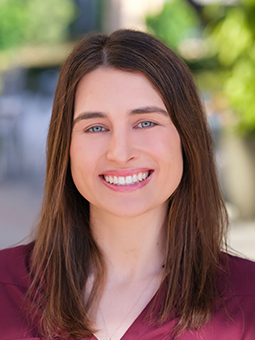

Dr. Tameeshah Cival, PsyD
Registered Psychological Associate
CBT for trauma, anxiety and depression
View profilePatient essentials
Phone
949-528-6300
info@ochealthpsych.com
Hours
Weekdays 9am–5pm · Weekends 9am–1pm
How to start
Call, email or schedule online; our staff match you with a CBT clinician; complete intake forms; first session
Insurance
Most providers in network with Aetna, Hoag, Kaiser, Medicare and Optum/UHC; claims submitted for other PPO plans
Payment
Card, check, cash
In a crisis
We are not an emergency service. Call or text 988, or call 911
Frequently asked questions
How many sessions of CBT do you need?
CBT is usually short-term. The Mayo Clinic describes a typical range of about 5 to 20 sessions. The number depends on your goals, how long the problem has been present and how much you practice between sessions. Your therapist will review progress with you regularly.
What happens in a CBT session?
A CBT session usually starts with a check-in, then you and your therapist set an agenda, review the past week's practice, work on a specific skill and plan practice for the coming week. Sessions are collaborative and focused on goals you've agreed on together.
Is CBT homework required?
Between-session practice is a core part of CBT, because skills grow through repetition in real life. Assignments are usually small, such as a short thought record or one planned activity. If practice is difficult to fit into your schedule, let your therapist know so you can adjust it together.
What's the difference between CBT and EMDR?
CBT works on the thoughts and behaviors that keep anxiety, depression and other concerns going, using skills you practice between sessions. EMDR focuses on processing specific distressing memories and is used mainly for trauma, PTSD and grief. Some patients benefit from both.
Can CBT help with chronic pain?
Yes. CBT for chronic pain doesn't claim the pain isn't real. It helps with the worry, sleep problems, low mood and boom-and-bust activity cycles that often come with long-term pain, alongside your medical care. Orange County Health Psychologists specializes in this kind of health psychology work.
Is CBT covered by insurance?
CBT is a standard form of outpatient psychotherapy and is typically billed like other therapy sessions. Most Orange County Health Psychologists providers are in network with Aetna, Hoag, Kaiser, Medicare and Optum/UHC, and we submit claims for other PPO plans. Call 949-528-6300 or use our online cost estimator.
Start CBT with Orange County Health Psychologists
CBT gives you skills you can keep using long after therapy ends. Our team will match you with a clinician who uses CBT for your concern, at the office or online, and check your insurance before you start. Call 949-528-6300 or schedule a consultation to begin CBT therapy in Orange County with Orange County Health Psychologists.
Sources
- Mayo Clinic – Cognitive behavioral therapy
- Beck Institute – Dr. Aaron T. Beck
- OCHP provider profiles and Specialties page
Clinically reviewed by [Name, credential, CA license #] · Last reviewed [date]. This page is for general information and is not a substitute for professional diagnosis or treatment. If you are in crisis, call or text 988.

