

When we think about mental health, we often think about the mind and not the body. Thoughts, emotions, memories, and patterns of behavior tend to take center stage in therapy conversations. But mental health doesn’t live only in the mind. It also lives in the body.
The connection between the body and mind is deeper and more complicated than many people realize. Stress can tighten our shoulders without us noticing. Anxiety can show up as a racing heart or shallow breathing. Grief can feel like heaviness in the chest or fatigue that sleep doesn’t seem to fix.
Our bodies are constantly responding to what we experience emotionally. In many ways, the body stores painful or uncomfortable experiences long after the mind has tried to move forward.
This is one of the central ideas explored in the well-known trauma research book The Body Keeps the Score by Dr. Bessel van der Kolk. His work highlights something therapists have observed for decades: trauma and stress are not only psychological experiences. They are physical ones, too.
When difficult experiences overwhelm our nervous system, the body often stores those reactions. Even when the event itself has passed, the body may continue responding as if the threat is still present.
That is where somatic approaches to therapy can help.
What Is Somatic Therapy?
Somatic therapy focuses on the relationship between the body and emotional experience. Instead of working only through thoughts and memories, somatic approaches also pay attention to physical sensations, breathing patterns, posture, and the body’s stress responses.
The goal is not simply to talk about what happened. It is to help the nervous system gradually return to a sense of safety.
When the body feels safer, the mind often begins to settle as well.
Somatic therapy might involve practices that help people notice and regulate their physical responses to stress. These approaches can help individuals become more aware of how their body reacts during moments of anxiety, trauma triggers, or emotional overwhelm.
Over time, learning to heal the body can help people feel more grounded and more in control of their emotional responses.
How Trauma Lives in the Body
Many people assume trauma is something we either “remember” or “forget.” But in reality, trauma often shows up in physical patterns even when we believe we have forgotten the experience. Someone who has experienced trauma may notice:
- chronic muscle tension
- difficulty relaxing or feeling safe in their body
- disrupted sleep
- shallow breathing
- sudden emotional reactions that feel hard to explain
These reactions are not signs of weakness. They are signs that the nervous system has learned to stay on alert.
The body is trying to protect itself.
Somatic approaches help retrain the nervous system so it no longer feels stuck in survival mode.
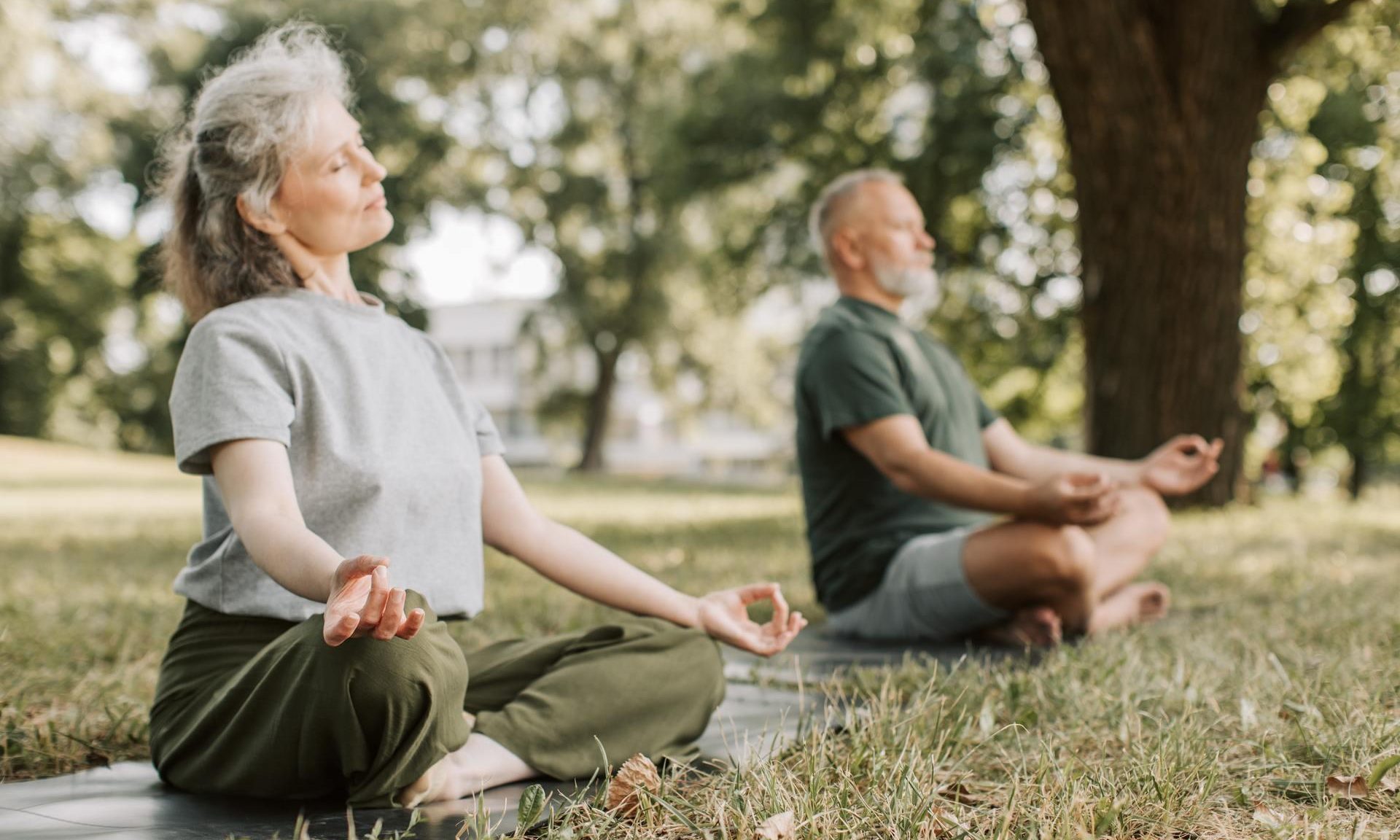
Why Yoga Can Be Therapeutic
Yoga is often associated with flexibility or fitness, but the real benefit comes with activating the vagus nerve. The vagus nerve is a communication pathway from the brain to the body and the body to the brain. When the vagus nerve is active, breathing is calmer, heart rate slows, digestion improves, our stress hormone, cortisol decreases, and the body feels relaxed. You may wonder how yoga does that. When we breath slowly, this sends signals to the brain that your body is safe. Yoga incorporates movement with slow diaphragmatic breathing. Vibration also activates the vagus nerve. Humming and chanting, which are yoga practices, can calm the body and mind. Yoga is a form of somatic movement and a practice of awareness.
At its core, yoga works directly with many of the systems that regulate stress and emotional balance. It combines breath work, slow movement, and body awareness in ways that help calm the nervous system and activate the vagus nerve.
Research has shown that yoga can:
- reduce symptoms of anxiety and depression
- lower stress hormones like cortisol
- improve emotional regulation
- increase feelings of safety and connection within the body
For individuals who have experienced trauma, yoga can offer something especially important: the chance to reconnect with their body in a controlled and supportive way.
Instead of feeling disconnected or overwhelmed by physical sensations, people gradually learn that their body can also be a place of stability and healing.
Two Ways to Support Healing
At Orange County Health Psychologists, we understand that healing does not follow just one path. Some people benefit most from traditional psychotherapy. Others find that incorporating body-based approaches deepens their progress.
We offer two options that support the connection between mind and body.
Private Therapeutic Yoga Sessions
Our private yoga therapy sessions are created with mental health in mind and tailored to you as an individual.
This is not a fitness class and there is no pressure to perform or keep up. Each session is customized based on what you are struggling with, how your body is feeling that day, and what helps you feel most safe and supported. Together, you and your therapist choose a pace and approach that fits your needs, whether that means gentle movement, breathwork, grounding practices, or restorative yoga designed to calm the nervous system and release held tension.
Therapeutic yoga can be supportive for a wide range of struggles, including but not limited to:
- depression
- PTSD
- trauma related stress
- chronic anxiety
- chronic pain
Because the sessions are private, everything can be adjusted in real time. We can slow down, simplify, pause, or modify any practice so it matches your comfort level and supports your nervous system instead of overwhelming it.
Somatic Psychotherapy
Somatic psychotherapy is an effective way to address how trauma, anxiety, and stress are stored in the nervous system and the physical body. Like yoga therapy, it uses techniques like breathwork, grounding, and movement to release pent up tension, foster self-regulation, and promote a stronger mind-body connection.
Healing Through Mind and Body Connection
Mental health care is not one dimensional. The mind and body influence each other constantly.
Imagine finding a place of inner peace where the body is not constantly in a state of hypervigilance and you don’t feel anxious or agitated. When we calm the nervous system, our thoughts and feelings often become more clear. Combining body-based practices like yoga and somatic therapy can be especially powerful in rewiring the nervous system and discovering a new way of being in the world, free from a state of chronic stress .
Healing is not about forcing yourself to “move on.” It is about helping your mind and body feel safe enough to move forward. And sometimes, that process begins by listening to what the body has been trying to say all along.
Learn more about OCHP’s Yoga and Somatic Therapies
Orange County Health Psychologists provides supportive and flexible somatic therapy options including private therapeutic yoga sessions and somatic psychotherapy. We have experienced clinicians who can cater to your needs. If you are wondering whether therapeutic yoga or other somatic therapies make sense for you, we want to help.Contact us to learn more about our services and providers.

Susan Kjesbo, C-IAYT
Certified Yoga Therapist
Consult with Susan
949-528-6300
Yogaforbones@gmail.com