
Individual Therapy: What to Expect
One-on-one therapy with a licensed psychologist or therapist, in person at our offices or online, with most major insurance plans accepted.
Individual therapy is dedicated time with a trained clinician, focused on you and built around what you want to change. At Orange County Health Psychologists, more than 50 licensed psychologists and therapists offer individual therapy in Orange County at our Irvine, Huntington Beach and Orange offices, in San Francisco, and online across California. This guide covers how to tell whether therapy could help, which kind of clinician and approach to look for, what it costs with insurance, and what your first weeks will look like. When you're ready, call 949-528-6300 or schedule a consultation online.
Do you need individual therapy?
You don't need to be in crisis to start therapy. Many people reach out because something has been weighing on them for weeks or months and hasn't improved on its own. According to the National Institute of Mental Health, psychotherapy refers to treatments that help a person "identify and change troubling emotions, thoughts, and behaviors."
Common reasons people in Orange County reach out to us:
- Anxiety: worry, tension or panic that interferes with work, sleep or relationships
- Depression: low mood, loss of interest or exhaustion that has lasted more than a couple of weeks
- Trauma: distressing memories, nightmares or feeling on edge after a difficult experience
- Grief: the death of a loved one or another significant loss
- ADHD: ongoing trouble with focus, organization or follow-through
- Living with a medical condition: chronic pain or chronic illness, or a cancer diagnosis
- Pregnancy and postpartum: low mood or anxiety during pregnancy or after birth
- Eating concerns: a difficult relationship with food, eating or body image
These are reasons to speak with a professional, not a diagnosis. A licensed clinician can help you understand what's going on and whether individual therapy is the right fit, or whether another kind of support would help more.
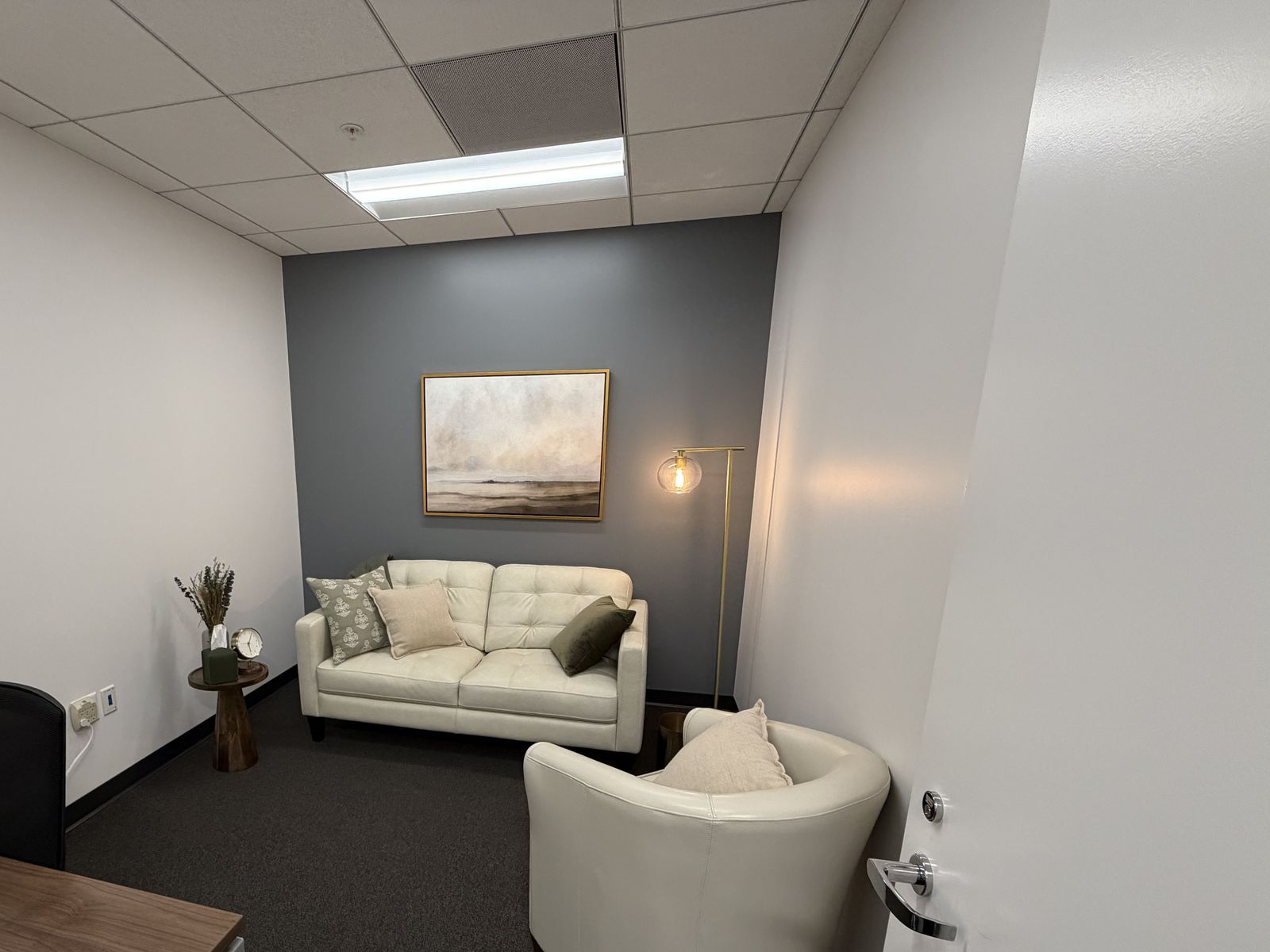
Psychologist, LMFT, LCSW or LPCC: who should you see?
One of the first questions people ask is what the credentials after a therapist's name mean. In California, several types of licensed professionals provide therapy. All of them are trained to treat common concerns like anxiety and depression. Their training differs in length and focus.
| Title | Training and license | What they're trained for | Often a good fit when… |
|---|---|---|---|
| Clinical psychologist (PsyD or PhD) | Doctoral degree, licensed by the California Board of Psychology | Therapy, diagnosis and psychological testing | You need a diagnostic evaluation, testing, or help with a complex or long-standing concern |
| Licensed Marriage and Family Therapist (LMFT) | Master's degree, licensed by the Board of Behavioral Sciences | Therapy for individuals, couples and families, with a focus on relationships | Relationships, family patterns or life transitions are part of what you're working on |
| Licensed Clinical Social Worker (LCSW) | Master's degree in social work, licensed by the Board of Behavioral Sciences | Therapy plus the practical and social side of wellbeing | You want help with both emotional and practical stressors |
| Licensed Professional Clinical Counselor (LPCC) | Master's degree in counseling, licensed by the Board of Behavioral Sciences | Individual counseling for a wide range of concerns | You want focused, goal-oriented counseling |
| Registered Psychological Associate | Doctoral-level training, practicing under a licensed psychologist's supervision | Therapy, and assessment under supervision | You'd like doctoral-level care, often with more scheduling availability |
Orange County Health Psychologists has all of these clinician types on staff. You don't need to determine the right match yourself: when you call, our team asks what's going on and directs you to the provider best suited to your needs. You can also browse our providers and ask for someone by name.
Which therapy approach fits your concern?
Our clinicians use several evidence-based treatments, often in combination, and the approach matters less than the fit between you and your therapist. Still, it helps to know which treatments we commonly use for each concern we treat.
| If you're dealing with… | Treatments often used at OCHP | What sessions tend to focus on |
|---|---|---|
| Anxiety, worry or panic | CBT, EMDR | Spotting anxious thought patterns, gradually facing what you avoid, calming the body |
| Depression or low mood | CBT; ketamine-assisted psychotherapy for treatment-resistant depression (Orange County offices) | Rebuilding activity and routine, testing harsh self-talk |
| Trauma or PTSD | EMDR (Orange County offices), CBT | Processing painful memories safely, reducing triggers |
| Grief and loss | Grief counseling, EMDR | Making room for loss, adjusting to life after it |
| ADHD | CBT, neurofeedback | Building systems for planning and follow-through, strengthening attention |
| Chronic pain, chronic illness or cancer | CBT for pain, health psychology | Coping with symptoms, pacing, staying engaged in life alongside medical care |
| Postpartum depression or anxiety | CBT | Managing mood changes, sleep loss and the adjustment to parenthood |
| Eating disorders | CBT | Changing patterns around food and body image, in coordination with medical care |
Here is what each approach involves:
Cognitive behavioral therapy (CBT)
CBT looks at how thoughts, feelings and actions affect each other, and teaches practical skills you use between sessions. It's usually short-term and structured.
Read moreEMDR therapy
EMDR (eye movement desensitization and reprocessing) helps the brain process distressing memories so they feel less intense. It's used for trauma, PTSD and grief at our Orange County offices.
Read moreKetamine-assisted psychotherapy
Ketamine-assisted psychotherapy combines carefully monitored ketamine sessions with therapy. It may be an option for depression, anxiety or PTSD that hasn't improved with other treatment, and is offered at our Orange County offices.
Read moreNeurofeedback and biofeedback
Neurofeedback is a non-invasive form of brain training that uses real-time feedback on brain activity; biofeedback does the same with body signals such as heart rate and muscle tension. Both are used for ADHD, anxiety, PTSD and sleep concerns.
Read morePsychological testing
When the underlying question is what's causing the difficulty, an evaluation can help. Our psychologists provide testing for ADHD, autism, memory concerns and more at our Irvine office.
Read moreHow will you pay for therapy?
Cost is one of the most common reasons people delay starting therapy, so it helps to understand your options before you call. Orange County Health Psychologists works with insurance, which many private practices in Orange County don't.
| How you pay | How it works | At OCHP |
|---|---|---|
| In-network insurance | You pay your plan's copay or coinsurance; the practice bills your plan directly | Most of our providers are in network with Aetna, Hoag Physician Partners/Hoag Medical Group, Kaiser and Optum/UHC |
| Medicare | Medicare Part B covers a wide range of outpatient mental health services, including visits with clinical psychologists, clinical social workers, and marriage and family therapists | Most of our providers are in network with Medicare |
| PPO, out of network | Your plan may reimburse part of the cost of an out-of-network provider | If your PPO plan isn't on our list, we can submit claims on your behalf |
| HSA or FSA | Under IRS Publication 502, amounts paid to a psychologist for medical care and therapy received as medical treatment can count as medical expenses | Ask your plan administrator how it applies to you |
| Paying directly | You pay per session | We accept card, check and cash |
To see what you would likely pay with a specific provider, use the online cost estimator on our Insurance & Fees page or call 949-528-6300.
What happens in your first session and after?
Getting started with individual therapy at OCHP takes four steps:
- Reach out. Call 949-528-6300, email info@ochealthpsych.com, or schedule a consultation online.
- Get matched. Our office staff answer your questions and direct you to the provider best suited to your needs.
- Confirm a time. Once you and your provider agree on a date and time, you'll complete intake forms online through our patient portal, or print them and return them by fax or mail.
- Meet your therapist. Your first session is in person or by video.
The first session is mostly about getting to know you. Your therapist will ask what brought you in, how it's affecting daily life, your history and what you'd like to be different. They'll explain confidentiality and how sessions work. It's also your chance to ask questions, such as:
- How do you usually work with concerns like mine?
- How will we know if therapy is helping?
- How often should we meet?
How long therapy lasts varies with your concern and your goals. Your therapist will review progress with you along the way, and therapy ends when you've reached your goals, not on a fixed schedule.
Is therapy confidential?
Yes, with a few important limits. What you share in therapy is protected health information under federal privacy law (HIPAA) and California law. Your therapist generally can't share it without your written permission.
There are exceptions that your clinician will explain at your first visit: when there's a serious risk of harm to you or someone else, suspected abuse of a child, elder or dependent adult, or a court order. If you're using insurance, your plan receives the information it needs to process claims, such as dates of service and a diagnosis code.
What if weekly therapy isn't enough?
Sometimes one session a week isn't enough support. That doesn't mean therapy has failed; it usually means you need more or different care for a period of time. The step that fits depends on what's happening:
- More frequent sessions, or adding a specialty treatment. At our Orange County offices that can include EMDR for trauma or ketamine-assisted psychotherapy for treatment-resistant depression.
- Coordination with your physician or a psychiatrist, if medication might help. As a health psychology practice, we routinely work alongside medical providers.
- A more intensive program, such as intensive outpatient care, for a period of time. Your therapist can help you find one.
- Emergency help. If you or someone you love is in immediate danger, call or text 988 (Suicide & Crisis Lifeline) or call 911.
Individual therapy at Orange County Health Psychologists
Dr. Kristin Kleppe, PsyD, founded Orange County Health Psychologists in January 2014 with a health-psychology focus: caring for the mind and body together. Today our group of more than 50 licensed clinicians treats anxiety, depression, trauma, grief, ADHD and the emotional side of chronic illness and pain. We regularly work alongside patients' physicians. You can see us in person or online, and you can browse provider profiles before you call.

Meet some of our clinicians

Dr. Kristin Kleppe, PsyD
Clinical Psychologist and founder
anxiety, trauma and PTSD, chronic illness, older adults
View profile

Dr. Sharon Ng, Ph.D.
Clinical Psychologist
anxiety, depression, trauma, grief; sessions in English, Cantonese and Mandarin
View profile
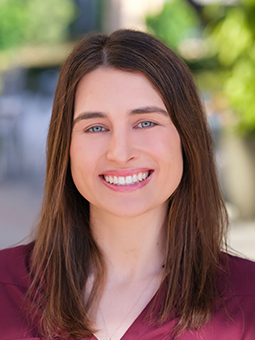
Dr. Amanda Harryman, Psy.D.
Clinical Psychologist
depression, anxiety, trauma; works with adults, adolescents and children
View profile
Dr. Allison Bicksler, PsyD, ABPP
Board Certified Clinical Health Psychologist, Irvine
health and pain psychology, depression, anxiety, grief
View profileWhere we offer individual therapy
San Francisco
One Sansome St, Suite 1400, San Francisco, CA 94104
Office details & directions →Patient essentials
Phone
949-528-6300
info@ochealthpsych.com
Fax
855-779-3627 (855-PSY-DOCS)
Hours
Weekdays 9am–5pm · Weekends 9am–1pm
How to start
Call, email or schedule online; our staff match you with a provider; complete intake forms; first session
Insurance
Most providers in network with Aetna, Hoag, Kaiser, Medicare and Optum/UHC; claims submitted for other PPO plans
Payment
Card, check, cash
Languages
English; Cantonese and Mandarin with Dr. Sharon Ng
In a crisis
We are not an emergency service. Call or text 988, or call 911
Frequently asked questions
How do I know if I need therapy?
If worry, low mood, stress or a life change has lasted more than a few weeks and is affecting your sleep, work, relationships or enjoyment of life, it's worth talking to a licensed clinician. You don't need a diagnosis or a crisis to start. A first session helps you and the therapist decide together whether ongoing individual therapy is the right fit.
What's the difference between a psychologist and a therapist?
"Therapist" is a general term. In California, a clinical psychologist has a doctoral degree (PsyD or PhD), is licensed by the Board of Psychology and can provide psychological testing. LMFTs, LCSWs and LPCCs hold master's degrees, are licensed by the Board of Behavioral Sciences and provide therapy. All can treat common concerns like anxiety and depression.
How much does therapy cost with insurance?
With an in-network plan, you usually pay your plan's copay or coinsurance per session. Orange County Health Psychologists is in network with Aetna, Hoag, Kaiser, Medicare and Optum/UHC for most providers, and submits claims for other PPO plans. Use the cost estimator on our Insurance & Fees page or call 949-528-6300 for an estimate.
How long does therapy usually take?
It depends on your concern and goals. Some people work on one specific problem for a few months; others stay longer to work on deeper patterns. Your therapist reviews progress with you regularly, and you decide together when to reduce sessions or finish.
Can I switch therapists?
Yes. The fit between you and your therapist matters, and it's common to try another clinician if the fit isn't right. At OCHP, call our office and our staff will help you find another clinician in the practice.
Is therapy confidential?
Yes, within limits set by law. Your therapist can't share what you discuss without your written permission, except when there's a serious risk of harm, suspected abuse of a child, elder or dependent adult, or a court order. Your clinician explains these limits at your first appointment.
Take the first step
Starting therapy is often the hardest step, and you don't have to navigate it alone. Our team will listen, answer your questions and match you with a clinician who fits your needs, schedule and insurance. Call 949-528-6300 or schedule a consultation to begin individual therapy in Orange County or online with Orange County Health Psychologists.
Sources
- NIMH – Psychotherapies
- Medicare – Outpatient mental health care
- IRS Publication 502
- HHS – HIPAA for individuals
- OCHP provider profiles, New Patients and Insurance & Fees pages
Clinically reviewed by Dr. Kristin Kleppe, PsyD, Licensed Psychologist (CA PSY24845) · Last reviewed November 2026. This page is for general information and is not a substitute for professional diagnosis or treatment. If you are in crisis, call or text 988.

